Surge Irrigation

SAE Water’s Irrigation Strategy and Why We Chose Surge Irrigation

What Is Surge Irrigation?

Surge irrigation is a surface irrigation method where water is applied in short, controlled pulses instead of flowing continuously down a furrow. By cycling water on and off, the soil surface seals more quickly, which slows excessive infiltration at the top of the field and helps water move forward more efficiently.

These pulses allow water to advance more evenly across the field, reducing runoff at the end of the furrow and improving how moisture is distributed in the crop root zone. The result is better control, more consistent watering, and improved water use efficiency compared to traditional continuous-flow irrigation.

3 Key benefits

What Makes Surge Irrigation Central to SAE Water’s Strategy

Better Control With Less Hands-On Labor

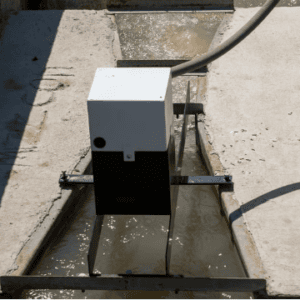
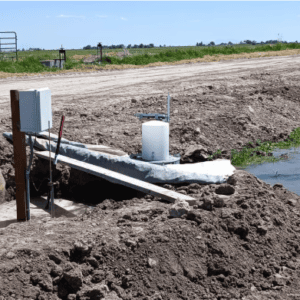
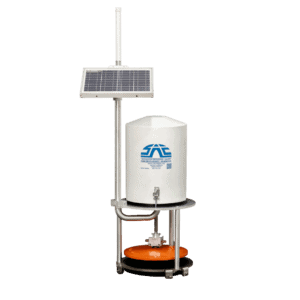
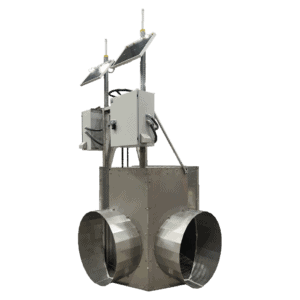
Surge irrigation pairs naturally with automated gates, valves, and sensors, allowing water cycles to run on preset schedules without constant field checks. Once dialed in, farmers can reduce manual adjustments, night checks, and guesswork while maintaining consistent irrigation timing across sets.

More Consistent Watering Across the Field

Automated surge systems help water advance evenly from the top to the bottom of the field, reducing overwatering at the head and dry spots at the tail. This consistency leads to more uniform crop growth and helps maximize the value of every irrigation pass, especially on longer runs or variable soils.

Lower Water Use and Operating Costs Over Time

By reducing deep percolation, runoff, and wasted water, automated surge irrigation systems often require fewer total irrigation hours and less pumping. Over time, this translates to lower energy costs, improved water efficiency, and a faster payback on automation investments.